

Redeveloping a contaminated or formerly industrial property often involves more than treating the original source of contamination. Excavation, soil removal, structure removal, and other remediation activities can generate additional materials that must be properly characterized, managed, transported, and disposed of before construction can move forward.
For property owners, developers, and project managers, understanding how remediation-derived waste will be handled early in the project can help reduce delays, control costs, and maintain environmental compliance.
What Is Remediation-Derived Waste?
Remediation-derived waste is material generated as part of environmental cleanup activities. Depending on the site history and the scope of the project, this may include contaminated soil, sediment, sludge, debris, liquids, construction materials, or other materials requiring specialized handling.
The fact that material comes from a remediation project does not automatically determine how it must be managed. Its characteristics, contaminant concentrations, applicable regulations, and intended disposal or treatment method all need to be considered.
Why Waste Characterization Matters
One of the first steps in managing remediation-derived waste is determining what the material contains and how it should be classified. Proper characterization helps project teams identify appropriate handling, transportation, treatment, and disposal requirements.
- Identify potential contaminants and their concentrations
- Determine applicable regulatory requirements
- Separate materials that require different management methods
- Select appropriate treatment or disposal facilities
- Document waste streams for transportation and disposal
Skipping or rushing this step can create unnecessary complications later in the project. A material that was expected to be managed as ordinary construction debris, for example, may require a different disposal pathway after testing or further evaluation.
Managing Waste During Excavation and Site Work
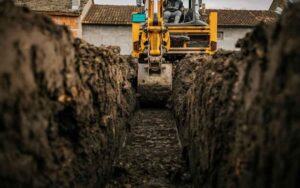
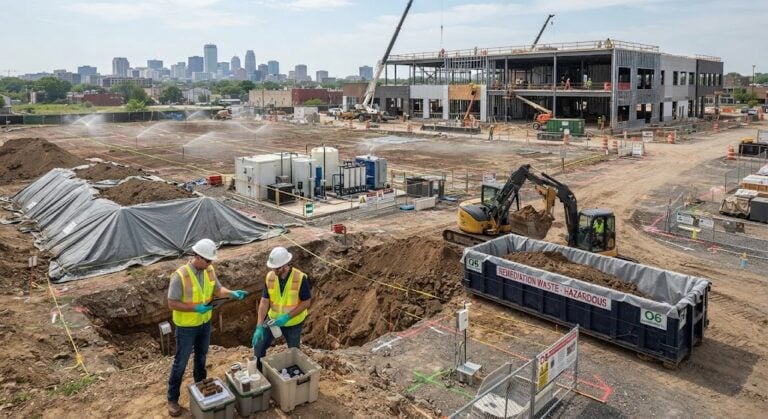
Excavation is often one of the activities that generates the largest volume of remediation-related material. Soil may need to be temporarily stockpiled, transported off site, treated, or placed in an approved disposal facility depending on project requirements.
Project teams should establish designated areas for material handling and develop procedures for preventing cross-contamination. Keeping different waste streams properly separated can make downstream management more predictable and reduce the potential for unnecessary disposal costs.
Transportation and Disposal Require Planning
Once waste has been characterized, the project team must determine how it will be transported and where it can be treated or disposed of. Transportation requirements, documentation, facility acceptance criteria, and scheduling can all affect the project’s timeline.
O6 Environmental provides Industrial & Hazardous Waste Disposal solutions for industrial waste streams, including hazardous, non-hazardous, special waste, and TSCA materials.
Coordinate Waste Management With the Construction Schedule
Waste management should not be treated as a separate activity that begins after remediation work is already underway. The anticipated waste streams, storage requirements, transportation logistics, and disposal options should be considered while developing the overall project schedule.
- Estimate expected waste volumes
- Identify potential waste streams before excavation begins
- Confirm disposal or treatment facility requirements
- Plan temporary storage and staging areas
- Coordinate hauling with excavation and construction activities
Building a More Predictable Redevelopment Process
Effective management of remediation-derived waste helps connect environmental cleanup with the practical requirements of redevelopment. When characterization, handling, transportation, and disposal are planned together, project teams can better anticipate environmental obligations and avoid preventable disruptions.
For contaminated properties, early coordination with an experienced environmental contractor can help establish a practical waste management strategy that supports both remediation objectives and future construction activities.
Contact O6 Environmental to discuss waste management and environmental services for your next redevelopment project.