
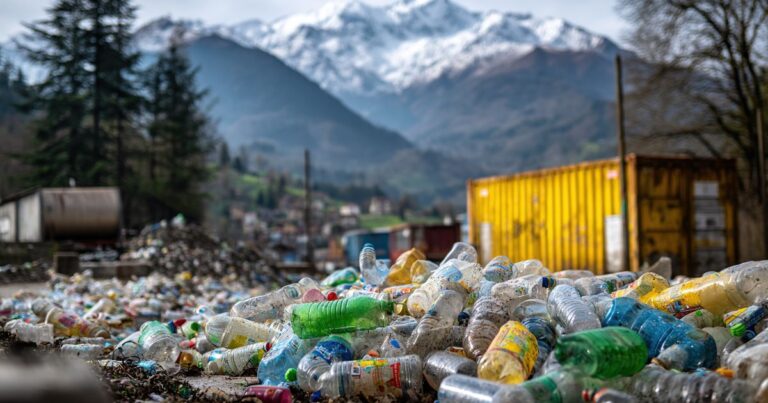
Managing waste streams in regulated industries requires careful attention to regulatory requirements and proper procedures. Facilities often generate both hazardous and non-hazardous waste, and improper handling can result in fines, environmental damage, and safety risks.
O6 Environmental has extensive experience helping facilities navigate complex waste regulations. This guide outlines best practices for managing mixed waste streams safely and in compliance with federal and state regulations.
Identifying and Segregating Waste Streams
Correct identification of hazardous versus non-hazardous waste is critical. Misclassification can lead to improper handling, environmental contamination, and regulatory penalties.
Key considerations include:
- Review safety data sheets (SDS) for chemicals to determine hazard classification
- Separate incompatible waste streams to prevent reactions or contamination
- Label all containers clearly with contents, hazard status, and date
Proper segregation ensures compliance and protects workers, the public, and the environment.
Storage and Disposal Requirements
Once waste streams are identified, storage and disposal must comply with all applicable regulations.
Best practices for storage include:
- Use designated areas for hazardous and non-hazardous waste
- Ensure containers are secure, leak-proof, and properly labeled
- Store waste away from drains, high-traffic areas, and incompatible substances
When disposing of waste, follow federal and state guidelines. Facilities can leverage Industrial & Hazardous Waste Disposal services to ensure proper handling, documentation, and transport.
Avoiding Compliance Pitfalls
Common mistakes in mixed waste management often lead to regulatory violations.
- Failing to segregate incompatible wastes
- Improper labeling or missing documentation
- Storing hazardous waste beyond permitted timelines
- Insufficient staff training on handling procedures
Preventing these issues requires a structured approach, clear SOPs, and regular staff education.
Staff Training and Continuous Improvement
Educating staff on proper waste handling procedures is essential. Training should cover identification, segregation, storage, emergency response, and disposal requirements.
Continuous improvement strategies include:
- Regularly reviewing SOPs to ensure alignment with changing regulations
- Performing internal audits to identify gaps
- Using feedback to improve processes and safety practices
A culture of compliance ensures that staff are proactive in maintaining safety and regulatory standards.
Conclusion
Managing mixed hazardous and non-hazardous waste streams requires diligence, clear procedures, and regulatory expertise. By correctly identifying, segregating, and storing waste, and providing continuous staff training, facilities can minimize risk and remain compliant.
Contact O6 Environmental to learn how we support compliant waste management and help facilities maintain operational safety.