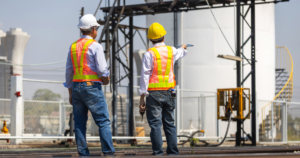

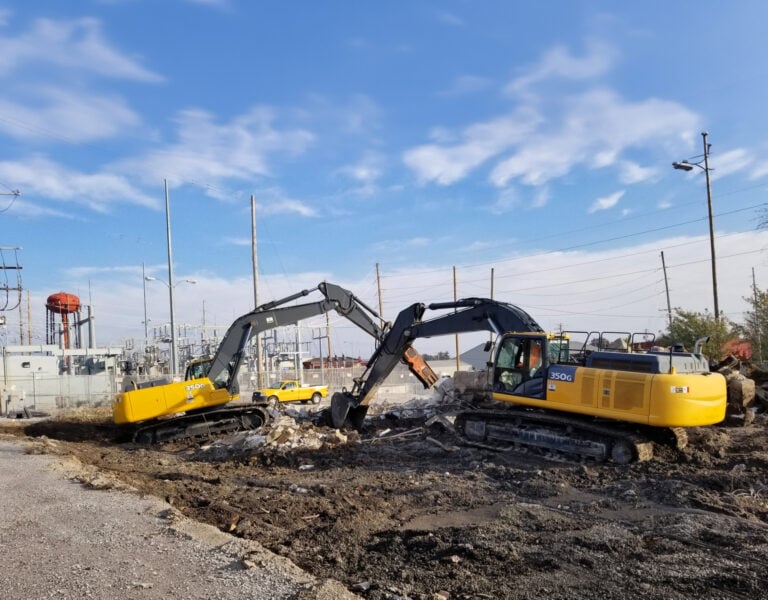
Excavation around an operating or formerly industrial property can involve environmental risks that are not immediately visible from the surface. Historical spills, buried materials, residual process chemicals, old utilities, storage areas, and contaminated soil can all affect excavation planning.
For facility owners, contractors, engineers, and project managers, identifying these considerations before excavation begins can help prevent unexpected disruptions and improve the overall safety and compliance of the project.
Why Industrial Excavation Requires Additional Planning
Industrial properties often have complex histories. Areas that appear suitable for excavation may have previously been used for chemical storage, fuel handling, manufacturing processes, waste management, or other activities that affected soil or groundwater.
Excavation can also expose materials that were not identified during earlier surface-level evaluations. Once soil is disturbed, project teams may need to determine whether excavated materials can remain on site, require special handling, or need to be transported for treatment or disposal.
Review Site History Before Breaking Ground
Before excavation starts, project teams should review available environmental records, previous investigations, site drawings, historical operations, and known areas of concern. This information can help identify locations that may warrant additional investigation or controls.
- Historical chemical or fuel storage areas
- Former waste handling locations
- Known or suspected contaminated soil
- Underground tanks and piping
- Former process areas and drainage systems
- Previously remediated areas
Coordinate Excavation With Environmental Requirements
Excavation planning should account for more than equipment access and production schedules. Environmental requirements may affect how soil is staged, how exposed areas are managed, how materials are transported, and how potential releases are prevented.
Where industrial equipment, tanks, vessels, or process areas are being removed or cleaned as part of the project, environmental work may need to occur before or alongside excavation.
O6 Environmental’s Industrial Cleaning Services & Maintenance include specialized cleaning and maintenance services for industrial environments, including wet and dry vacuum services, tank and vessel cleaning, hydro excavation, and other specialized capabilities.
Manage Excavated Materials Carefully
Excavated soil should be managed according to its characteristics and the requirements of the project. Keeping materials properly segregated can help prevent cross-contamination and make subsequent handling more efficient.
- Establish designated staging areas
- Keep potentially different material streams separated
- Use appropriate containment and control measures
- Document material movement when required
- Coordinate transportation and disposal before large-scale excavation begins
Watch for Unexpected Conditions
Even a well-planned project can encounter unexpected conditions. Unusual odors, stained soil, buried containers, unexpected debris, or changes in soil conditions may indicate that additional evaluation is warranted.
When unexpected environmental conditions appear, work should be evaluated and managed according to the project’s safety procedures and applicable requirements rather than simply continuing excavation without further consideration.
Supporting Safer Industrial Excavation Projects
Environmental planning does not have to slow down industrial construction. In fact, identifying potential issues before excavation begins can make the project more predictable by allowing teams to plan for material handling, environmental controls, and specialized services in advance.
For industrial properties where excavation intersects with existing infrastructure or environmental concerns, early coordination can help protect workers, the surrounding environment, and the project schedule.
Contact O6 Environmental to discuss environmental and industrial service needs before your next excavation project.