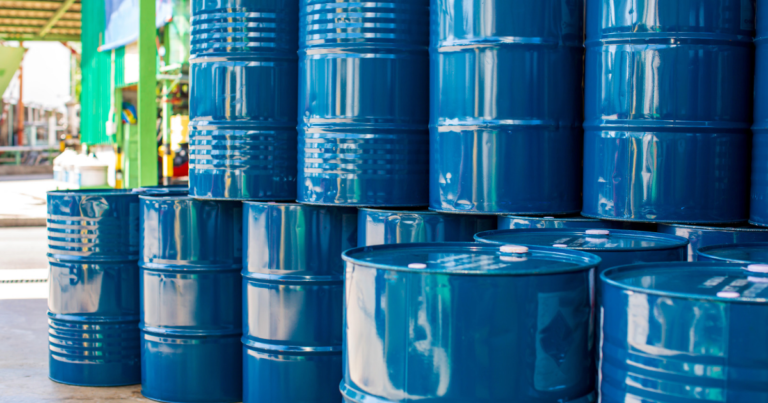
Industrial facilities generate a wide range of waste materials through manufacturing, maintenance, equipment cleaning, and routine operations. Before these materials can be transported or disposed of, facilities need to understand what the waste contains and how it should be managed.
Industrial waste characterization helps facilities identify waste streams, evaluate their properties, and determine appropriate handling, transportation, treatment, and disposal requirements. Taking this step early can help prevent delays and reduce the risk of improper waste management.
What Is Industrial Waste Characterization?
Waste characterization is the process of gathering information about a waste material to determine its relevant physical, chemical, and regulatory properties. The appropriate approach depends on the source of the waste, its composition, and applicable requirements.
Information may come from process knowledge, chemical inventories, Safety Data Sheets, historical records, and laboratory analysis when necessary. A reliable assessment helps facilities make informed decisions about how each waste stream should be managed.
Identify and Separate Waste Streams
A facility may generate several different waste streams, even within the same production area. Materials should not automatically be combined simply because they originate from the same operation.
Waste streams may include:
- Used oils, lubricants, and maintenance fluids
- Spent solvents and chemical residues
- Contaminated absorbents and cleanup materials
- Process sludge and production residues
- Contaminated soil and debris
- Wastewater and liquid process residues
Separating materials by their known characteristics and compatibility can simplify characterization and help avoid unnecessary handling complications.
Determine Whether Sampling Is Necessary
Existing documentation may provide sufficient information for some waste streams. In other cases, representative sampling and laboratory analysis may be needed to establish the material’s characteristics.
Sampling plans should reflect the waste source, the questions that need to be answered, and applicable regulatory requirements. Facilities should use qualified personnel and appropriate procedures to avoid introducing uncertainty into the results.
Maintain Accurate Waste Documentation
Once a waste stream has been evaluated, facilities should maintain records supporting its identification and management. Depending on the material and applicable requirements, documentation may include waste profiles, analytical results, shipping papers, manifests, and disposal records.
Accurate documentation also helps facilities manage recurring waste streams and respond more efficiently when information is requested by a waste management provider or regulator.
Coordinate Characterization With Disposal Planning
Waste characterization should take place before disposal arrangements are finalized. Understanding the material early allows facilities to evaluate packaging, storage, transportation, treatment, and disposal needs.
O6 Environmental provides Industrial & Hazardous Waste Disposal services that include characterization, segregation, profiling, manifesting, and transportation.
Build a More Consistent Waste Management Process
A structured waste characterization process can help industrial facilities improve planning, maintain traceable records, and select appropriate management options. Periodically reviewing waste streams is also useful when production processes, raw materials, or operating conditions change.
Contact O6 Environmental to discuss industrial waste characterization and disposal planning for your facility.

