

Industrial spills can disrupt operations, damage equipment, and create risks for employees, surrounding properties, and the environment. Chemicals, fuels, oils, and other liquids may be released during storage, material transfer, equipment maintenance, or routine production activities.
Although not every incident can be prevented, facilities can reduce the likelihood and potential impact of spills by identifying hazards, maintaining equipment, and establishing clear response procedures.
Identify Potential Sources of Spills
The first step in spill prevention is understanding where releases could occur. Facilities should review storage areas, transfer points, loading docks, process equipment, pipelines, and locations where liquids are handled.
Common sources of industrial spills include:
- Damaged or deteriorating containers
- Leaking valves, pumps, and pipe connections
- Overfilled tanks and storage vessels
- Equipment failures during maintenance
- Improper chemical transfer procedures
- Accidental damage to storage containers
Identifying these risks helps facility managers prioritize inspections and corrective actions.
Improve Storage and Containment Practices
Proper storage helps reduce the possibility of accidental releases. Containers should be appropriate for their contents, clearly identified, maintained in suitable condition, and stored according to applicable requirements.
Secondary containment may also be necessary or appropriate for certain storage areas. Facilities should evaluate containment capacity, drainage arrangements, compatibility, and the potential for spilled materials to reach soil, storm drains, or surface water.
Inspect Equipment and Storage Areas Regularly
Routine inspections can reveal leaks, corrosion, damaged hoses, loose connections, and other conditions that could lead to a release.
Inspection schedules should reflect the materials being handled, equipment condition, operating conditions, and applicable requirements. Identified problems should be documented and addressed promptly.
Prepare Employees for Spill Incidents
Employees should understand how to report a suspected spill, notify the appropriate personnel, and follow established emergency procedures. Training should reflect the hazards present at the facility and the responsibilities assigned to each employee.
Facilities should also ensure that response materials are accessible and that employees know when a situation requires specialized assistance rather than an attempted cleanup.
Know When Specialized Response Is Needed
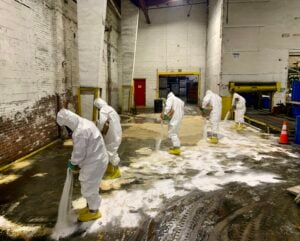
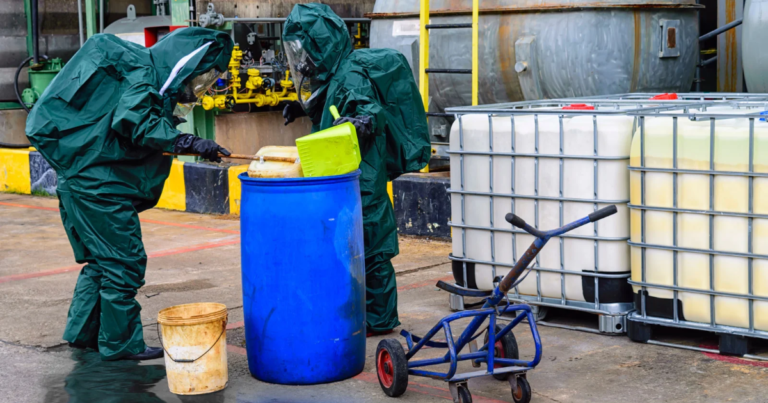
A release involving hazardous chemicals, a large quantity of material, an unknown substance, or a threat to surrounding areas may require trained response personnel. Site conditions and the characteristics of the released material should guide the response approach.
O6 Environmental provides Emergency Response & Clean-Up services for incidents involving oil and chemical spills, leaking containers, pipeline releases, and other hazardous-material emergencies.
Manage Cleanup Materials Responsibly
Containing a spill is only part of the response. Cleanup can generate contaminated absorbents, protective equipment, soil, debris, and recovered liquids that require appropriate evaluation and management.
Facilities should determine the characteristics of these materials and arrange suitable collection, storage, transportation, and disposal in accordance with applicable requirements.
Make Spill Prevention an Ongoing Priority
Effective spill prevention combines equipment maintenance, sound storage practices, employee training, and clearly defined emergency procedures. Regularly reviewing these measures can help facilities identify weaknesses before they contribute to an incident.
Contact O6 Environmental to discuss spill response preparedness and environmental risk management for your facility.