
Polychlorinated biphenyls (PCBs) were once hailed for their chemical stability and insulating properties. Today, they are known as persistent environmental pollutants—banned in the U.S. since 1979 but still commonly found in older industrial sites and electrical equipment. For facility managers, developers, and property owners, PCB contamination poses serious health, environmental, and regulatory risks.
At O6 Environmental, we specialize in the safe identification, removal, and remediation of PCB-contaminated materials in strict compliance with federal and state regulations. Here’s what you need to know.
What Are PCBs and Why Are They a Concern?
PCBs are synthetic organic chemicals once widely used in:
- Electrical transformers and capacitors
- Hydraulic fluids and lubricants
- Plasticizers in paints, caulking, and sealants
- Fluorescent light ballasts
- Carbonless copy paper
While production was banned, these materials still exist in buildings, equipment, and soils across the U.S. PCBs resist natural breakdown and can accumulate in the environment and human tissue, leading to potential health effects such as:
- Liver damage
- Immune system suppression
- Reproductive and developmental issues
- Cancer (as classified by the EPA)
Where PCB Contamination Is Commonly Found
O6 Environmental frequently encounters PCBs in:
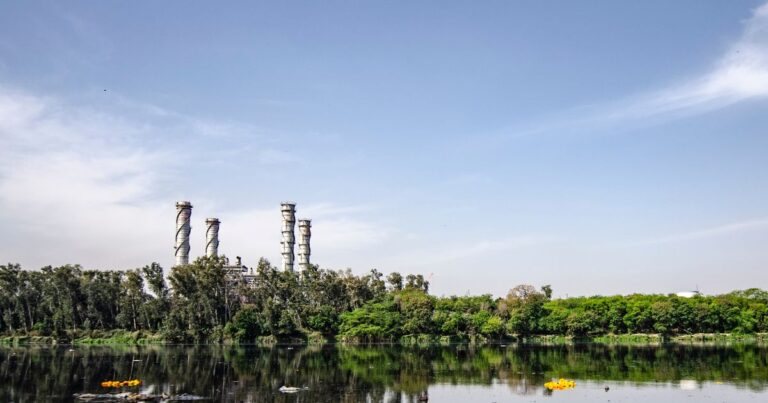
- Decommissioned power plants and industrial facilities
- Schools and hospitals built before 1980
- Brownfield redevelopment sites
- Old equipment storage yards
- Leaking transformers or buried capacitors
Even after equipment has been removed, residues in concrete, soil, or building materials may remain and require remediation.
Regulatory Framework for PCBs
PCB cleanup is governed under the Toxic Substances Control Act (TSCA), specifically 40 CFR Part 761, which outlines:
- Concentration thresholds for classification (e.g., ≥50 ppm = regulated)
- Disposal methods (e.g., incineration, chemical dechlorination)
- Cleanup standards for different media (e.g., soil, concrete, water)
- Sampling and documentation requirements
- Notification protocols to the EPA
Violating these standards can result in steep fines and project shutdowns.
Steps in PCB Remediation
1. Site Assessment and Sampling
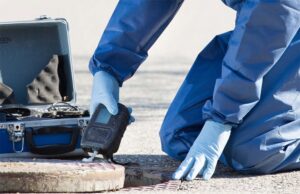
We begin with a thorough site investigation, collecting wipe samples, bulk material, and soil for laboratory analysis. This determines whether PCBs are present and at what concentrations.
2. Risk Evaluation
We assess exposure pathways (air, skin contact, ingestion) and proximity to sensitive populations such as schools or residential zones.
3. Remediation Planning
A cleanup plan is tailored to the site’s conditions, based on regulatory thresholds, site use (residential vs. industrial), and disposal requirements.
4. Removal and Decontamination
This may include:
- Concrete scarification
- Soil excavation and replacement
- Equipment removal and encapsulation
- Chemical dechlorination of PCB oils
5. Verification Sampling
Post-remediation sampling confirms that contaminant levels are below EPA cleanup standards.
6. Documentation and Reporting
We prepare full records, including waste manifests, lab reports, and EPA notifications to close out the project with full compliance.
Why Choose O6 Environmental for PCB Projects?
We bring over two decades of field experience managing high-stakes environmental remediation. Our PCB-specific advantages include:
- Licensed hazardous waste handling and transport
- In-house sampling and project oversight
- Proven success with TSCA-regulated cleanups
- Partnership-ready for brownfield or infrastructure redevelopment teams
- Turnkey support from assessment through final EPA sign-off
Conclusion: Don’t Let PCBs Derail Your Project
Whether you’re preparing a site for redevelopment or managing aging infrastructure, PCB contamination is a risk that must be handled properly. Partnering with O6 Environmental ensures your site is not only clean but legally protected and future-ready.