


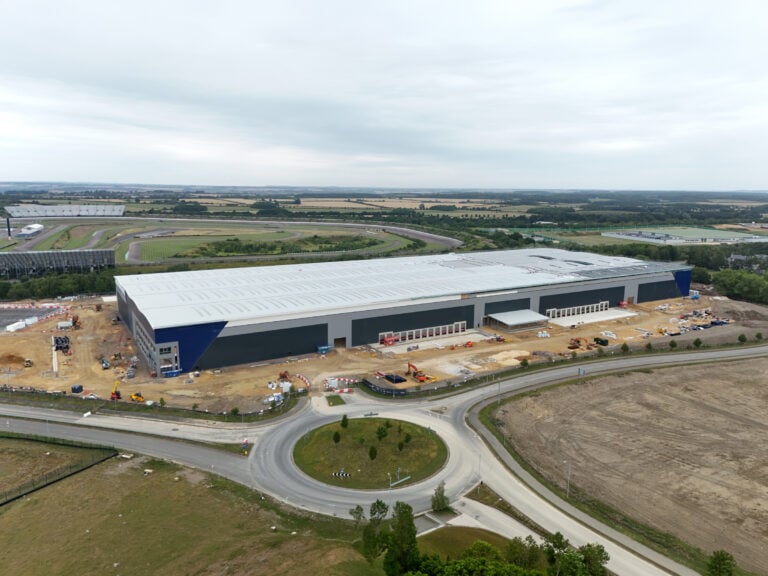
Stormwater Permitting and Environmental Compliance Challenges in Large-Scale Data Center Construction Projects
Large-scale data center construction projects require extensive land disturbance, infrastructure installation, and long-term site modification. These activities significantly increase the potential for stormwater runoff, sediment transport, and pollutant discharge if not properly managed. As a result, stormwater permitting and compliance planning are critical components of project execution from the earliest stages of development.
O6 Environmental supports regulated industries by helping ensure that construction activities remain compliant with federal and state stormwater requirements while minimizing environmental impact and regulatory risk. For data center developments, where construction timelines are tightly managed and infrastructure demands are significant, effective stormwater control planning is essential.
Understanding Stormwater Regulation in Construction Projects
Stormwater management in the United States is primarily regulated under the National Pollutant Discharge Elimination System (NPDES) program, administered by the EPA and delegated state agencies. Construction activities that disturb a certain threshold of land area typically require a Construction General Permit (CGP), which outlines requirements for erosion control, runoff management, and pollution prevention.
Data center construction sites often exceed these thresholds due to their scale, making stormwater permitting a mandatory step before ground disturbance begins. Compliance requires the development and implementation of a Stormwater Pollution Prevention Plan (SWPPP), which identifies potential pollution sources and outlines control measures.
Failure to properly manage stormwater can result in regulatory enforcement actions, project shutdowns, and long-term environmental liability for site owners and developers.
Stormwater Risks in Data Center Development
Data center projects present unique stormwater challenges due to their combination of large impervious surfaces, heavy earthwork, and phased construction sequencing. Activities such as grading, foundation excavation, utility trenching, and roadway construction can significantly increase sediment runoff if not properly controlled.
Additionally, temporary stockpiles of soil, construction materials, and equipment staging areas can contribute to pollutant migration during storm events. These risks are amplified on sites with historical industrial use, where underlying contamination may be exposed or mobilized during construction.
Proper stormwater planning must account for both natural site conditions and legacy environmental risks to ensure compliance throughout the construction lifecycle.
Permitting Requirements and Compliance Strategy
Stormwater permitting is not a one-time approval but an ongoing compliance obligation throughout construction. Developers must ensure that erosion control measures are installed, inspected, and maintained in accordance with permit requirements. This includes silt fencing, sediment basins, stabilized construction entrances, and runoff diversion systems.
Regular site inspections and documentation are required to demonstrate compliance to regulatory agencies. Any changes in construction sequencing or site conditions may require updates to the SWPPP and associated control measures.
Effective compliance strategy requires coordination between environmental consultants, construction managers, and regulatory authorities to ensure that stormwater controls remain effective as the project evolves.
Integrating Stormwater Management with Environmental Services
Stormwater compliance is closely linked to broader environmental management activities on construction sites, including waste handling, site clearing, and demolition of existing structures. Coordination between these activities reduces environmental risk and ensures regulatory consistency across the project.
O6 Environmental provides integrated support services, including Industrial Cleaning Services, which help manage site conditions, remove debris, and reduce potential sources of contamination during construction and redevelopment activities.
These services support cleaner, safer job sites and contribute to maintaining compliance with stormwater discharge requirements throughout the construction process.
Long-Term Environmental and Operational Considerations
For data centers, stormwater management is not only a construction-phase concern but also a long-term operational consideration. Once operational, these facilities often require permanent stormwater infrastructure to manage runoff from large rooftop and paved areas.
Designing stormwater systems during the construction phase with long-term compliance in mind helps reduce maintenance costs and regulatory exposure after project completion. It also supports sustainability objectives and reduces the risk of downstream environmental impacts.
Conclusion: Proactive Stormwater Compliance for Complex Infrastructure Projects
Stormwater permitting and compliance are critical elements of successful data center construction projects. Regulatory requirements under EPA-administered programs demand careful planning, continuous monitoring, and strict adherence to approved control measures.
O6 Environmental helps developers and industrial operators navigate these requirements through structured environmental planning and field support services. By integrating stormwater management into overall project execution, organizations can reduce regulatory risk and maintain construction efficiency.
To learn how O6 Environmental supports compliant stormwater and construction-phase environmental management, reach out to O6 Environmental to discuss your compliance needs.