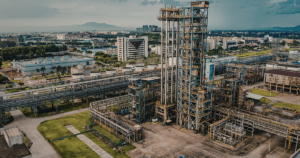


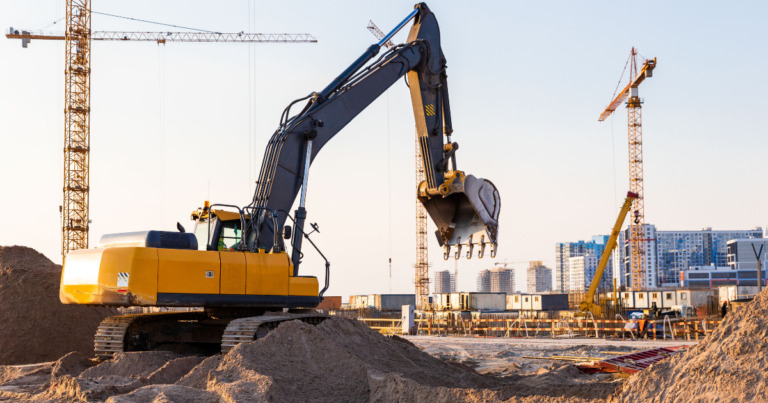
As demand for digital infrastructure continues to accelerate, data center developers are increasingly evaluating previously industrialized properties for new construction opportunities. Many of these sites carry historical contamination from manufacturing, energy production, storage, or heavy industrial operations. Before any structural development can begin, these environmental conditions must be properly assessed and remediated in accordance with EPA and state regulatory requirements.
O6 Environmental supports complex redevelopment projects by delivering structured remediation solutions that address soil and groundwater contamination while enabling regulatory compliance and construction readiness. For data center projects, remediation is not only a regulatory obligation but a foundational step in ensuring long-term operational stability and risk mitigation.
The Role of Environmental Remediation in Site Redevelopment
Contaminated industrial sites present a range of environmental challenges that must be resolved before redevelopment. These typically include impacted soils, groundwater contamination, residual industrial waste, and in some cases, vapor intrusion risks. Each condition must be evaluated based on its extent, mobility, and potential impact on future land use.
Data center infrastructure requires stable subsurface conditions to support heavy electrical systems, cooling infrastructure, and long-term operational reliability. As a result, remediation strategies must be designed not only to meet regulatory thresholds but also to ensure engineering suitability for future construction.
Regulatory agencies, including the U.S. Environmental Protection Agency (EPA), require that remediation activities achieve documented cleanup standards before construction permits are granted. This ensures that redevelopment does not introduce additional environmental or public health risks.
Soil Remediation Strategies for Industrial Redevelopment
Soil contamination is one of the most common challenges encountered on brownfield and legacy industrial sites. Depending on the type of contaminant, remediation approaches may include excavation and off-site disposal, stabilization, soil washing, or in-situ treatment methods.
The selection of a remediation strategy depends on site-specific conditions, including contaminant type, depth, and regulatory cleanup objectives. In many cases, a combination of methods is required to achieve compliance while minimizing disruption to future construction schedules.
O6 Environmental provides structured Environmental Remediation Services designed to address complex soil contamination scenarios while maintaining alignment with regulatory expectations and project timelines.
Groundwater Contamination and Regulatory Considerations
Groundwater contamination presents a more complex challenge due to its mobility and potential for off-site migration. Regulatory frameworks require that impacted groundwater be properly characterized and managed to prevent exposure risks and environmental spread.
Common remediation approaches include pump-and-treat systems, in-situ chemical treatment, monitored natural attenuation, and hydraulic containment. Each method must be evaluated based on contaminant behavior, hydrogeology, and long-term effectiveness.
For data center developments, groundwater conditions are particularly important due to the potential impact on excavation activities, foundation design, and long-term infrastructure stability.
Integration with Construction and Site Development Planning
Effective remediation planning must be integrated with construction sequencing to avoid delays and cost overruns. Soil and groundwater remediation activities often occur in parallel with early-stage site preparation, requiring close coordination between environmental consultants, engineers, and construction teams.
This integration ensures that remediation does not become a separate or isolated phase but rather a structured component of overall project delivery. In many cases, phased remediation allows portions of a site to be prepared for construction while other areas continue undergoing treatment.
In addition to remediation, legacy structures and subsurface infrastructure often require removal or modification before construction can proceed. O6 Environmental supports these efforts through coordinated field services, including Industrial Cleaning Services, which assist in preparing industrial sites for safe and compliant redevelopment.
Risk Management and Long-Term Compliance
Beyond initial cleanup, regulatory compliance often includes long-term monitoring, institutional controls, or land use restrictions. These measures ensure that residual risks remain managed and that site conditions remain stable throughout the life of the developed facility.
For data centers, where operational continuity and infrastructure reliability are critical, long-term environmental stability is an essential consideration. Proper remediation planning reduces the likelihood of future regulatory interventions or unexpected environmental liabilities.
Conclusion: Enabling Safe Redevelopment Through Structured Remediation
The redevelopment of contaminated industrial sites into data center facilities requires a disciplined approach to environmental remediation and regulatory compliance. Soil and groundwater contamination must be addressed through carefully designed strategies that align with EPA requirements and construction objectives.
O6 Environmental works with developers and industrial stakeholders to deliver remediation solutions that enable safe, compliant, and efficient site redevelopment. By integrating environmental expertise into early planning stages, projects can reduce risk and improve long-term operational outcomes.
To learn how O6 Environmental supports complex remediation and redevelopment projects, reach out to O6 Environmental to discuss your compliance needs.