

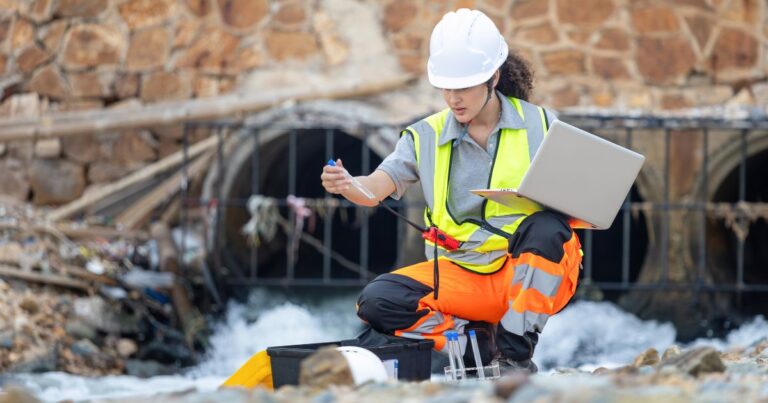
Why Stormwater Permitting Matters
Stormwater runoff from industrial facilities is highly regulated for good reason. Rainwater flowing across paved yards, loading areas, material storage zones, and equipment pads can pick up oils, sediment, metals, and other pollutants. If this runoff enters storm drains or waterways without proper controls, it can cause significant environmental harm, triggering fines, shutdowns, or legal action.
To protect water quality, the U.S. Environmental Protection Agency (EPA) requires many industrial sectors to obtain a stormwater discharge permit under the National Pollutant Discharge Elimination System (NPDES). Most states, including Missouri and Texas, administer their own versions of this program with additional inspection and reporting rules.
Understanding what your permit requires, not just having one, is essential. At O6 Environmental, we help industrial clients develop, implement, and maintain complete stormwater compliance programs.
Which Facilities Need a Stormwater Permit?
Facilities enrolled in specific industrial categories under EPA’s Multi-Sector General Permit (MSGP) must obtain authorization. These include sectors such as:
- Transportation and logistics
- Manufacturing and fabrication
- Scrap and recycling yards
- Utilities and power generation
- Oil and gas operations
- Chemical processing facilities
- Food and agriculture processing
- Warehousing and distribution
If your site stores, processes, or handles materials outdoors, chances are high that stormwater permitting is required.
Understanding the SWPPP: The Core of Stormwater Compliance
A Stormwater Pollution Prevention Plan (SWPPP) is the foundational document that outlines how a facility prevents stormwater contamination. It is not optional. A missing or incomplete SWPPP is one of the most common violations found during EPA or state inspections.
A compliant SWPPP should include:
- Facility description and site map highlighting drainage pathways and discharge points
- List of industrial activities that may affect stormwater quality
- Inventory of chemicals, fuels, and raw materials stored on-site
- Best Management Practices (BMPs) for spill prevention and runoff control
- Inspection schedules and maintenance procedures
- Corrective action protocols
- Employee training requirements
- Sampling, monitoring, and reporting procedures
A SWPPP must be updated whenever operations, storage, materials, or site conditions change.
What Inspectors Look For
EPA, state agencies, and local stormwater authorities routinely inspect industrial facilities. During an inspection, regulators commonly review:
- Whether the facility has a current stormwater permit
- Whether the SWPPP is complete and site-specific
- Evidence of pollutants near drains, ditches, or outfalls
- Condition of secondary containment areas
- Spill response materials and documentation
- Records of inspections, training, and sampling
Common violations include missing documentation, poorly maintained BMPs, and inadequate housekeeping around outdoor storage areas.
Monitoring and Sampling Requirements
Many stormwater permits require facilities to collect samples from designated discharge points. Testing may include parameters such as:
- Total Suspended Solids (TSS)
- pH
- Oil and grease
- Metals such as zinc, copper, or lead
- Chemical oxygen demand (COD)
Facilities must submit monitoring results in accordance with their permit schedule. Exceedances may trigger follow-up actions, increased sampling, or regulatory review.
Best Management Practices for Industrial Stormwater
Effective runoff control typically involves a combination of structural and operational BMPs, including:
- Secondary containment for tanks and drums
- Covered storage areas
- Spill kits and preventive maintenance programs
- Routine sweeping and housekeeping
- Oil and water separators
- Vegetative buffers or swales
- Stabilized gravel or paved yard areas
- Proper drum labeling and elevation
The goal is to prevent pollutants from contacting stormwater in the first place.
How O6 Environmental Helps Facilities Stay Compliant
Stormwater compliance can be overwhelming for facility managers, especially with frequent regulatory updates. O6 Environmental supports clients by:
- Developing and updating SWPPPs
- Completing facility stormwater assessments
- Performing routine inspections
- Managing sampling and laboratory coordination
- Implementing corrective actions and BMP improvements
- Preparing documentation for inspections and audits
Our goal is to help facilities maintain compliance year-round, not just prepare for the next inspection.
Consequences of Non-Compliance
Failure to meet stormwater permitting requirements can result in:
- Fines from regulatory agencies
- Mandatory corrective action orders
- Community or environmental group lawsuits
- Damage to public reputation
- Delayed expansion or construction projects
Proactive compliance is always less costly than reacting to a violation.
Protect Your Facility and the Environment
Stormwater permitting is a critical part of responsible industrial operations. With the right plan, procedures, and support, your facility can reduce environmental risk, avoid fines, and demonstrate a strong commitment to compliance.
O6 Environmental helps industrial facilities navigate the entire stormwater permitting process, so you can focus on operations while we manage the environmental details.