

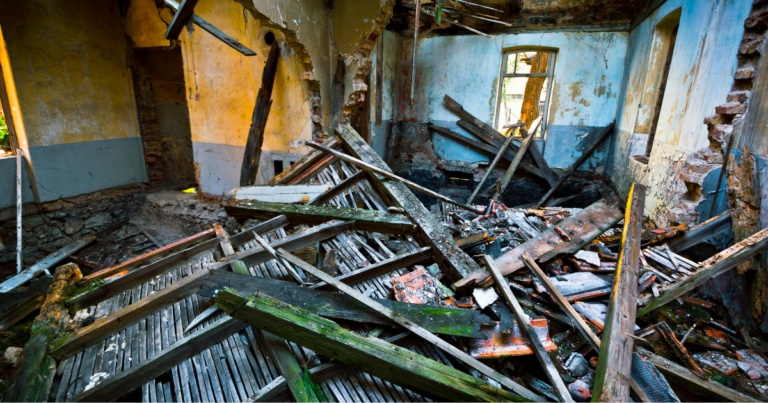
Non-hazardous waste is often assumed to be less regulated than hazardous waste, but this misconception can lead to compliance risks. While regulatory requirements differ, non-hazardous waste is still subject to a complex framework of federal, state, and local regulations that govern how it must be managed.
Defining Non-Hazardous Waste
Non-hazardous waste includes materials that do not meet the criteria for hazardous classification. Common examples include industrial byproducts, construction debris, and certain sludges.
Regulatory Framework
These waste streams are regulated under RCRA Subtitle D, along with state-specific requirements. Regulations address landfill use, disposal practices, and environmental protection standards.
Common Compliance Challenges
- Misclassification of waste streams
- Inadequate documentation
- Improper disposal methods
Waste generated during operations often requires coordination with Industrial Cleaning Services & Maintenance to ensure compliance during handling and removal.
Best Practices for Effective Waste Management
- Conduct regular waste audits
- Maintain accurate records
- Work with qualified service providers
Facilities generating significant waste volumes should also evaluate Industrial & Hazardous Waste Disposal services to ensure proper handling and regulatory compliance.
Why Proper Management Matters
Even non-hazardous waste can pose environmental risks if not managed properly. Effective waste management supports compliance, reduces liability, and improves operational efficiency.
Contact O6 Environmental to discuss your compliance needs and ensure proper management of non-hazardous waste streams.