
The Resource Conservation and Recovery Act (RCRA) establishes the primary regulatory framework for managing hazardous and non-hazardous waste in the United States. For industrial facilities, compliance is not optional—it is a legally binding obligation that directly impacts environmental liability, operational continuity, and regulatory standing.
RCRA regulations are enforced at both federal and state levels, meaning facilities must navigate overlapping requirements that can vary by jurisdiction. Failure to comply can result in significant penalties, enforcement actions, and long-term environmental remediation obligations.
Understanding Generator Status and Regulatory Obligations
Under RCRA, facilities are classified as conditionally exempt small quantity generators, small quantity generators, or large quantity generators. Each classification carries specific requirements for waste accumulation, reporting, and emergency preparedness.
One of the most common compliance failures occurs when facilities incorrectly classify their waste streams, leading to improper handling and storage practices.
Waste Identification and Classification Challenges
Accurate waste characterization is the foundation of RCRA compliance. Facilities must determine whether waste is listed, characteristic, or mixed waste. This requires technical understanding of chemical composition and process inputs.
Misclassification can result in improper disposal pathways, which may create long-term environmental liability even after the waste has left the facility.
Storage Requirements and On-Site Controls
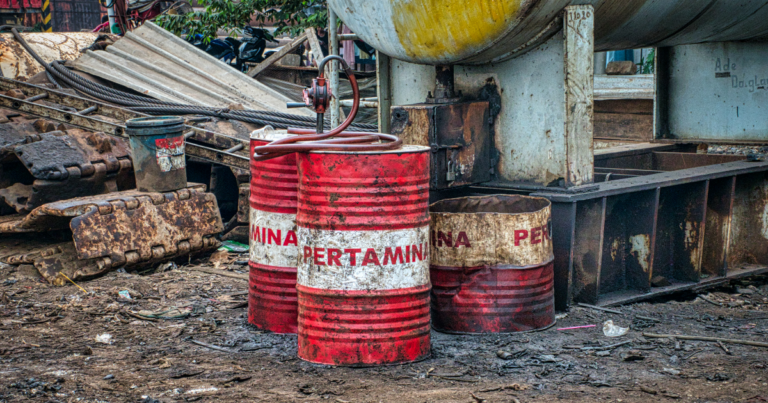
RCRA places strict requirements on how hazardous waste is stored prior to disposal. This includes container integrity, labeling standards, inspection schedules, and secondary containment systems.
In industrial environments where equipment removal or structural modification occurs, waste exposure risks increase significantly. Coordination with Demolition & Dismantling Services is often necessary to safely manage materials encountered during facility teardown or system removal.
Transportation and Manifest Requirements
Once waste is ready for off-site shipment, it must be transported using licensed hazardous waste carriers. The Uniform Hazardous Waste Manifest system ensures full traceability from generation to final disposal.
Any discrepancies in documentation or labeling can trigger regulatory scrutiny and potential enforcement action.
Role of Proper Disposal Infrastructure
RCRA requires that hazardous waste be treated or disposed of at permitted facilities. Improper disposal, even if unintentional, can result in shared liability for generators under the “cradle-to-grave” principle.
Working with qualified providers for Industrial & Hazardous Waste Disposal helps ensure compliance with federal and state disposal requirements while reducing long-term liability exposure.
Long-Term Compliance Management
RCRA compliance is not a one-time task but an ongoing operational discipline. Facilities must continuously update training, audit internal processes, and monitor regulatory changes.
Many organizations also integrate compliance oversight with broader environmental programs, including Environmental Remediation Services, especially when dealing with legacy contamination or site redevelopment projects.
Contact O6 Environmental to support your regulatory compliance strategy and ensure proper hazardous waste management practices.