

Environmental emergencies don’t follow a schedule. A ruptured tank, chemical spill, or fire-damaged facility can create immediate risks to human health, environmental safety, and regulatory compliance. In those critical moments, having a qualified emergency environmental response team on standby is not just helpful—it’s essential.
At O6 Environmental, our crews are trained and equipped to mobilize 24/7 across the Midwest and beyond. But when exactly is emergency response warranted? And what steps should facilities, contractors, and municipalities take when it’s time to call in a professional environmental team?
Let’s break down what qualifies as an environmental emergency and how a rapid response can protect both people and property.
What Is Considered an Environmental Emergency?
An environmental emergency is any unplanned incident that threatens public health, safety, or the environment due to the release—or potential release—of hazardous materials. Common scenarios include:
- Hazardous material spills or leaks
- Transportation accidents involving hazardous cargo
- Industrial fires or explosions
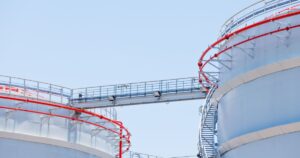
- Underground storage tank (UST) failures
- Flooding or stormwater runoff contamination
- Illegal dumping or abandoned drums
These situations typically require specialized containment, cleanup, and reporting actions governed by the EPA, DOT, OSHA, and local agencies.
Situations That Require Emergency Response
1. Spills of Hazardous Substances
This includes chemical, oil, fuel, or waste spills on soil, pavement, or waterways. If the volume exceeds reportable quantities (RQs) as defined by the EPA, immediate response is required—often with notification to state or federal agencies.
Examples:
- Diesel spill from a tipped tanker
- Acids or caustics leaked from a facility valve
- Mercury or lead contamination in an abandoned building
2. Fires Involving Industrial or Hazardous Materials
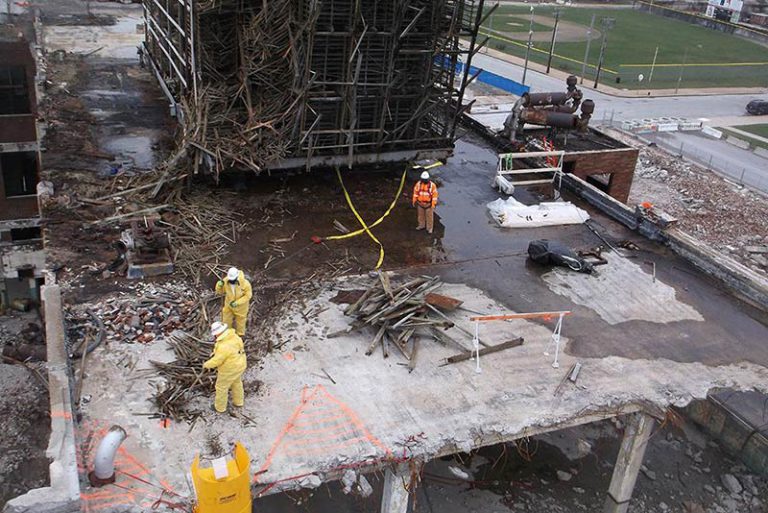
Fires in manufacturing, warehouse, or waste facilities often result in burned or melted materials that can be toxic. The runoff from firefighting water can also become contaminated.
Emergency services handle the fire—but environmental crews are called in for the aftermath.
3. Flood or Storm Events Causing Contaminant Migration
Rising waters can disturb previously contained waste or expose underground contamination. Storm-related damage can also dislodge tanks, containers, or industrial materials.
4. Underground or Aboveground Storage Tank Failures
A sudden loss of tank integrity—due to corrosion, overfilling, or impact—requires immediate containment and soil/groundwater testing. If the release reaches a utility corridor or aquifer, the impact can be widespread.
5. Transport Incidents Involving Hazmat
Trucks, trains, or barges carrying hazardous materials must comply with strict response procedures if cargo is compromised. Environmental responders may be called in to handle absorbents, soil removal, and disposal logistics.
Why Speed and Expertise Matter
Delays in emergency response can lead to:
- Larger environmental impact area
- Increased cleanup and disposal costs
- Regulatory fines or civil penalties
- Legal liability for property owners and contractors
- Damage to public reputation and trust
Responding within the first few hours is critical. Professional teams like O6 Environmental are trained to stabilize the site, prevent spread, and document everything for regulatory protection.
What Happens During a Response
A typical emergency response from O6 Environmental includes:
- Immediate Mobilization: Dispatch of trained HAZWOPER-certified crews with spill kits, vacuum trucks, and containment tools
- Site Assessment: Identification of material type, volume, exposure risks, and migration pathways
- Containment & Cleanup: Use of absorbents, diking, vacuuming, excavation, or drum overpacking as needed
- Waste Profiling & Disposal: Proper handling of materials per DOT and RCRA standards
- Regulatory Coordination: Communication with the EPA, state DEQ, or local fire marshal
- Documentation: Final reports, manifests, and sampling logs for liability protection
How to Know If You Should Call for Help
You should immediately contact an environmental contractor if:
- The spilled material is unknown or hazardous
- The volume exceeds your internal containment capabilities
- The spill enters soil, drains, or waterways
- Local fire, police, or environmental officials are involved
- You are unsure whether the situation meets reporting thresholds
Even if the situation is under control, a quick call to a professional can help you avoid a misstep.
Why Clients Rely on O6 Environmental
We’ve built our reputation on responsiveness, safety, and thorough documentation. Our emergency response services are trusted by:
- Industrial facilities
- Transportation and logistics firms
- Utilities and municipalities
- General contractors and developers
We own our equipment, train our teams in-house, and work closely with regulators to ensure full compliance—even in high-pressure situations.
Conclusion: Be Ready Before It Happens
Emergencies happen fast. Partnering with a qualified environmental response provider ensures you’re not scrambling when the unexpected hits.
At O6 Environmental, we don’t just respond—we help you plan ahead with contingency support, emergency protocols, and response contracts that prepare your team for the real world.
When time, safety, and compliance are on the line, we’re the ones you want on site.