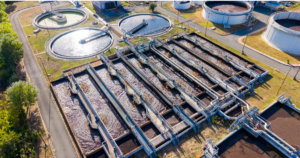



Industrial facility shutdowns involve more than stopping production and preparing equipment for maintenance. Temporary shutdowns, major turnarounds, and permanent closures can also create environmental challenges involving chemical inventories, process residues, wastewater, and accumulated waste.
Planning for these materials before shutdown activities begin can help facilities coordinate contractors, reduce unnecessary delays, and manage environmental responsibilities throughout the project.
Review Chemical Inventories Before Shutdown
Facilities should review the chemicals, fuels, oils, and other materials remaining on-site before operations stop. This review can help identify products that will be reused, transferred, returned to suppliers, or managed as waste.
Special attention should be given to expired products, containers with damaged labels, materials with incomplete records, and chemicals that may require specific storage or handling procedures.
Identify Waste Generated During Equipment Preparation
Draining, cleaning, dismantling, and maintaining equipment can generate waste streams that differ from those produced during normal operations.
These may include:
- Residual process chemicals and liquids
- Oils, lubricants, and hydraulic fluids
- Sludge, scale, and accumulated deposits
- Contaminated absorbents and cleaning materials
- Wastewater from equipment cleaning
- Contaminated debris from maintenance activities
Facilities should determine how these materials will be collected, characterized, stored, and managed before fieldwork begins.
Coordinate Cleaning and Waste Removal
Equipment cleaning may be necessary before inspection, repair, dismantling, or decommissioning. The cleaning method should reflect the equipment, the materials present, and the hazards associated with the work.
O6 Environmental provides Industrial Cleaning Services & Maintenance to support industrial cleaning requirements. Facilities should also plan for the wastewater and residues generated during these activities.
When hazardous or regulated waste is generated, Industrial & Hazardous Waste Disposal services may help address characterization, profiling, transportation, and disposal needs.
Establish Responsibilities and Documentation
Shutdown projects often involve facility employees, maintenance contractors, environmental personnel, and waste management providers. Clear responsibilities can help ensure that materials are identified, work areas are controlled, and required records are maintained.
Depending on the project, documentation may include chemical inventories, waste profiles, analytical results, transportation records, equipment-cleaning records, and disposal documentation.
Prepare for Unexpected Environmental Issues
Shutdown activities may reveal leaking containers, previously undocumented materials, or contamination that was not identified during initial planning. Facilities should establish procedures for stopping affected work, securing the area, and obtaining appropriate technical assistance.
For incidents involving spills or hazardous materials, O6 Environmental offers Emergency Response & Clean-Up services.
Plan Early for a More Organized Shutdown
Environmental planning should be incorporated into the shutdown schedule rather than postponed until equipment is already being dismantled. Early coordination helps facilities identify waste management needs, assign responsibilities, and prepare for unexpected conditions.
Contact O6 Environmental to discuss industrial cleaning, waste management, and environmental planning for your next facility shutdown.