


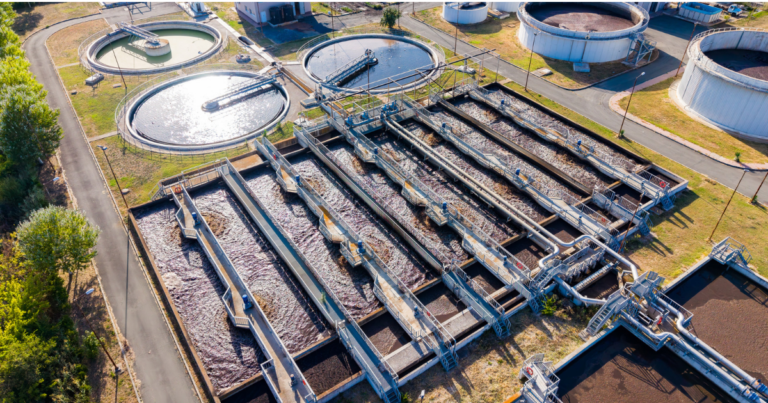
Industrial operations can generate wastewater through manufacturing, equipment cleaning, maintenance, cooling processes, and other facility activities. Depending on its source, this water may contain oils, suspended solids, chemicals, metals, PFAS, or other contaminants that affect how it can be managed.
Industrial wastewater management begins with understanding the source and characteristics of the water. Facilities can then evaluate appropriate collection, treatment, discharge, transportation, or disposal options based on the material and applicable requirements.
Identify Where Industrial Wastewater Comes From
Wastewater may be generated by routine production or by activities such as tank cleaning, hydroblasting, equipment washing, and spill response. Different sources can produce water with significantly different characteristics.
Facilities should identify the processes generating wastewater, estimate the quantities involved, and determine whether different streams should be collected separately.
Understand the Characteristics of the Water
The appearance of wastewater does not reliably establish whether it is safe to discharge or suitable for a particular treatment process. Information about its source and potential contaminants is important when determining the next steps.
Depending on the circumstances, an evaluation may involve:
- Reviewing process information and chemical use
- Identifying potential contaminants
- Sampling and laboratory analysis when appropriate
- Evaluating applicable discharge or disposal requirements
- Determining whether pretreatment or specialized handling is necessary
The required evaluation depends on the wastewater source, its intended destination, and the applicable regulatory framework.
Prevent Uncontrolled Releases
Collection and containment procedures can help prevent wastewater from reaching areas where it could cause environmental harm. Facilities should assess temporary storage arrangements, transfer equipment, drainage pathways, and the potential for leaks or overflow.
Wastewater generated during maintenance or cleaning projects should be included in the work plan before activities begin. This helps ensure that suitable collection and management arrangements are available when the work is completed.
Evaluate Treatment, Discharge, and Disposal Options
Not all industrial wastewater can be managed in the same way. Depending on its characteristics and applicable requirements, options may include on-site treatment, discharge under an appropriate authorization, or collection and transport to a suitable receiving facility.
Facilities should confirm that the proposed approach is appropriate for the wastewater and meets relevant requirements before proceeding.
Plan for Wastewater From Industrial Cleaning
Industrial cleaning can generate wastewater containing loosened deposits, oils, sludge, and other process residues. Hydroblasting and similar activities may mobilize materials that were previously attached to equipment or contained within a vessel.
O6 Environmental provides Industrial Cleaning Services & Maintenance, including hydroblasting and other specialized cleaning capabilities.
When cleaning produces contaminated liquids or solids, facilities should also consider the appropriate characterization and management of those resulting materials. O6 Environmental’s Industrial & Hazardous Waste Disposal services include waste characterization, profiling, and transportation.
Maintain Records and Review Procedures
Documenting wastewater sources, testing results, treatment activities, and disposal arrangements can help facilities maintain consistent procedures and demonstrate how wastewater has been managed.
Wastewater management plans should also be reviewed when production processes change, new chemicals are introduced, or cleaning methods generate different waste streams.
Build Wastewater Planning Into Daily Operations
Managing industrial wastewater effectively requires coordination between production, maintenance, environmental, and waste management teams. Identifying wastewater streams early and confirming appropriate management options can help facilities reduce the risk of uncontrolled releases and avoid preventable project delays.
Contact O6 Environmental to discuss industrial cleaning, wastewater-related waste streams, and environmental management needs for your facility.