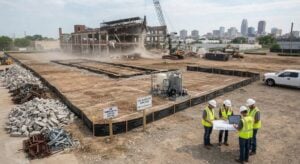



Completing environmental remediation does not always mean every environmental consideration at a site disappears. In some cases, contaminants may remain below, beneath, or within portions of a property while controls are used to prevent exposure and maintain the effectiveness of the cleanup strategy.
Institutional and engineering controls can play an important role in managing these residual risks. Understanding how these controls work can help property owners, facility managers, and redevelopment teams protect the long-term value and compliance of a remediated property.
What Are Institutional and Engineering Controls?
Institutional controls are administrative or legal mechanisms used to limit exposure to contamination or restrict certain activities at a property. Examples can include land-use restrictions, environmental covenants, deed restrictions, or requirements for future owners or occupants.
Engineering controls rely on physical measures to prevent exposure or control the movement of contaminants. Depending on the site, these may include engineered caps, barriers, containment systems, or other physical protections.
Why Controls May Remain After Cleanup
Complete removal of every contaminant is not always the selected remediation strategy. A project may instead use a combination of treatment, containment, monitoring, and land-use controls based on site conditions and regulatory requirements.
- Prevent direct contact with remaining contamination
- Limit disturbance of engineered barriers or caps
- Control future excavation or subsurface work
- Protect groundwater or other environmental resources
- Maintain compliance with approved site restrictions
Construction and Maintenance Can Affect Existing Controls
One of the biggest challenges occurs when a remediated property is later modified. Excavation, utility installation, grading, landscaping, building additions, and maintenance activities can potentially disturb an engineering control or interfere with restrictions established during remediation.
Before beginning subsurface work, property teams should understand what controls are present and whether proposed activities could affect them. Construction plans may need to incorporate specific procedures for protecting or restoring those controls.
Ongoing Site Management Matters
Long-term management can require continued inspection, documentation, maintenance, or monitoring. The specific requirements depend on the site, contaminants, remedy, regulatory framework, and conditions established as part of the cleanup.
Keeping accurate records is particularly important when ownership, facility operations, or site conditions change. Future project teams should be able to understand the environmental controls that apply to the property before modifying the site.
When Additional Remediation May Be Necessary
If an existing control has been damaged, contamination has migrated, or planned redevelopment changes site conditions, additional environmental work may be necessary. The appropriate response should be determined based on site-specific information and applicable regulatory requirements.
O6 Environmental provides Environmental Remediation Services designed around site-specific environmental conditions, project goals, and regulatory requirements.
Maintaining Protection Over the Long Term
Environmental remediation is often part of a longer property-management process. Institutional and engineering controls can help maintain the protections established during cleanup while allowing a property to remain productive and usable.
By understanding these controls before construction, maintenance, or property changes begin, owners and project teams can reduce the likelihood of disturbing environmental protections and create a more predictable path for future site activities.
For assistance evaluating environmental requirements associated with a remediated property, contact O6 Environmental to discuss your project.